Buying a Condo on Florida's Gulf Coast? What You Need to Know Before Falling in Love with the View
Buying a Condo on Florida's Gulf Coast? What You Need to Know Before Falling in Love with the View
There's a lot to love about coastal living. Just make sure you know what comes with the view.
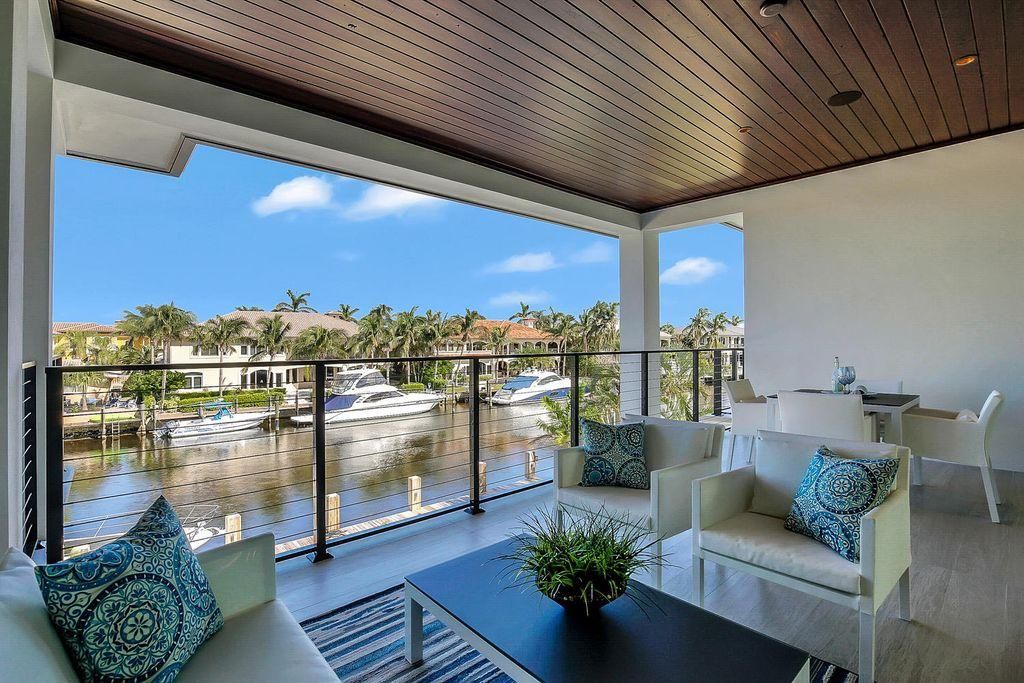
It's easy to fall in love with a condo along Florida's Gulf Coast. Maybe it's the view from the balcony, the sound of the waves, or the idea of walking out your door and having your toes in the sand a few minutes later.
I get it. Living in Madeira Beach, I enjoy those same things every day, and I understand why so many people dream of owning a little piece of Florida's coastline.
But whether you're buying a full-time residence, a vacation getaway, or an investment property, there's quite a bit to consider beyond the beautiful photos and the view.
As both a real estate broker and a coastal property owner, I've learned that some of the most important details aren't always the ones you notice during a showing.
Here are a few things I encourage buyers to understand before making that commitment.
1. Not All Beach Condos Are Created Equal
One of the first things I ask buyers is how they plan to use the property.
Will this be your primary residence? A second home where you escape the colder months? A vacation rental that generates income when you're not using it? Maybe a little of both?
Your answer matters more than you might think.
Along the Tampa Bay beaches, condominium communities can have very different rules regarding rentals, pets, parking, guests, and even renovations.
For example, one building may permit short-term vacation rentals, while another requires a minimum stay of 30 days, 90 days, or longer. Some communities have restrictions on the number of times you can rent your unit each year.
And those rules can make a significant difference in how you enjoy the property and whether it fits your financial goals.
Before spending too much time falling in love with a particular condo, let's make sure the building actually allows you to use it the way you intend.
2. Understand the Financial Health of the Condominium Association
This is one of the areas where I encourage buyers to spend a little extra time. When you purchase a condominium, you're not simply buying the space inside your unit. You're also becoming part of a community that shares responsibility for maintaining the building and its common areas.
That includes things like roofs, elevators, exterior painting, structural components, pools, and other amenities.
A beautiful, freshly renovated condo can be very appealing, but what about the building itself?
Some questions worth asking include:
- Does the association have adequate financial reserves?
- Are there any pending or recently approved special assessments?
- What major repairs or improvements are planned?
- Are there outstanding loans or significant financial obligations?
- Have association fees increased, and are additional increases anticipated?
A low monthly condominium fee may look attractive initially, but it doesn't necessarily mean the building is financially healthy. Sometimes, higher fees reflect a community that has been consistently setting aside money for future maintenance. The important thing is understanding what you're paying for and what financial responsibilities may be coming.
3. Milestone Inspections and Structural Reserves Matter
Florida's condominium laws have changed significantly in recent years, particularly regarding building inspections and financial planning for major repairs. Depending on the building's age, height, and other applicable requirements, certain condominium associations must complete milestone structural inspections and Structural Integrity Reserve Studies, commonly referred to as SIRS.
These are two different things.
A milestone inspection evaluates the building's structural condition and helps identify potential concerns that may require further investigation or repairs.
A Structural Integrity Reserve Study examines specified building components and estimates how much money the association should set aside for their future repair or replacement.
Both can provide important information to prospective buyers. When reviewing a condominium, I want to understand whether these requirements apply, whether the necessary inspections and studies have been completed, and what the findings could mean for future expenses.
An inspection report or reserve study isn't automatically a reason to walk away from a property. It is, however, information you should understand before making a purchase.
And remember, requirements can vary depending on the building and current Florida law.
4. Insurance Deserves More Than a Quick Glance
Insurance is another important part of owning property along Florida's coast. Condominium associations typically maintain master insurance policies covering certain portions of the building and common property. Individual owners generally need their own coverage for items and responsibilities not included under the association's policy.
But insurance responsibilities aren't always as straightforward as buyers expect.
It's important to understand what the association's policy covers, what you're responsible for insuring, and whether additional coverage, such as flood insurance, may be appropriate or required. You'll also want to consider deductibles, potential assessments, and the overall cost of ownership.
I always encourage buyers to speak with a knowledgeable insurance professional early in the process rather than waiting until just before closing. Insurance availability and cost can influence your purchasing decision, so it's better to have that information upfront.
5. If You Plan to Rent It, Look Beyond the Projected Income
Vacation rental properties are particularly interesting to me because my husband and I own investment properties along Florida's Gulf Coast. I've experienced firsthand the decisions that come with purchasing, financing, furnishing, maintaining, and managing rental properties. And one thing I've learned is that projected rental income is only part of the picture.
A property may have wonderful rental potential, but there are expenses to consider, including:
- Condominium association fees and special assessments
- Property taxes and insurance
- Utilities, internet, and maintenance
- Property management and booking fees
- Cleaning, furnishings, and replacement costs
- Periods when the property isn't rented
It's also important to confirm the applicable condominium rules, local rental regulations, licensing requirements, and any restrictions that may affect how the property can operate.
A three-night minimum rental policy, for example, is quite different from a building that requires monthly rentals. And just because a property is advertised as a vacation rental doesn't mean every type of rental arrangement is automatically permitted.
I enjoy helping buyers look at the bigger picture, particularly when they're hoping to balance personal enjoyment with investment potential. The goal isn't simply to find a property that looks great on paper. It's to understand how it may actually perform and whether it makes sense for you.
6. Location Is About More Than Being Close to the Beach
One of my favorite things about living along the Tampa Bay beaches is how different the communities can feel, even when they're only a few miles apart.
Madeira Beach, Treasure Island, St. Pete Beach, Indian Shores, Indian Rocks Beach, and Clearwater Beach each offer their own atmosphere.
Some areas are lively and walkable, with restaurants, shopping, and plenty of visitors. Others feel quieter and more residential. You may prefer a beachfront condo where you can watch the sunset every evening, or perhaps a waterfront property on the Intracoastal Waterway where you can enjoy boating and watch dolphins pass by.
Parking, beach access, traffic patterns, nearby amenities, and the general character of a neighborhood can all influence how much you enjoy your property. I encourage buyers to spend time exploring different communities before deciding where they want to purchase. Sometimes the place you initially had in mind isn't the one that ultimately feels like the best fit. And that's perfectly okay.
7. A Little Due Diligence Goes a Long Way
Buying coastal real estate should be exciting. It's often something people have worked toward and dreamed about for years. My goal isn't to take away that excitement by focusing on everything that could go wrong.
Quite the opposite.
I believe that understanding the details allows you to enjoy the process and make decisions with greater confidence. Before purchasing a condominium, that means taking time to review association documents, financial information, applicable inspection reports, insurance considerations, property condition, and any restrictions that could affect your plans. It also means asking questions, even the ones you might not think to ask during a showing.
Having owned and invested in real estate for nearly 15 years, I've learned that thoughtful preparation can make a tremendous difference. Sometimes the best decision is moving forward with a property you love. Other times, it's recognizing that a particular building or investment doesn't quite fit your goals. Both can be good outcomes.
Finding the Right Fit Along Florida's Gulf Coast
There really is something special about coastal living. Whether it's morning walks on the beach, afternoons on the water, beautiful sunsets, or simply having a place where family and friends can gather, the lifestyle is a big part of what draws people here.
And it's a lifestyle I genuinely enjoy myself.
If you're thinking about purchasing a condo along the Tampa Bay beaches, I'd love to help you explore your options. Maybe you've already saved a few favorites online. Maybe you're just beginning to think about what owning a place at the beach could look like.
Either way, that's a great place to start.
Let's grab a cup of coffee, talk about what you're hoping to find, and see where the conversation takes us.
Jessica Smith
Broker & Owner | Element Six Real Estate
Madeira Beach, Florida
Jessica@ElementSixRE.com
(727) 647-1995
Note: Condominium requirements, rental regulations, insurance considerations, and association policies vary by property and may change. Buyers should review current governing documents and applicable requirements and consult qualified legal, insurance, financial, or other professionals as appropriate.